October 9, 2026
Trees can be valuable additions to a property, providing shade, privacy, visual appeal, and habitat for wildlife. However, trees can also become hazardous when they develop serious structural problems, suffer extensive disease, or sustain significant damage. Knowing when a tree has reached the point where professional intervention is necessary can help property owners address problems before they result in injuries or costly property damage.
Professional tree removal is not something that should be approached casually. Large trees can weigh thousands of pounds, and even relatively small trees can cause serious damage if they fall unexpectedly. Recognizing warning signs early gives homeowners an opportunity to consult a qualified professional, evaluate their options, and determine whether removal is appropriate.
Why Tree Removal Might Be Necessary
There are several circumstances in which tree removal may become the safest or most practical option. Severe disease is one common reason. While some trees can recover from disease with proper treatment, advanced infections can weaken wood, damage roots, or compromise the tree's overall structure. When a tree can no longer be reasonably preserved, tree removal may be necessary to eliminate the hazard.
Storm damage can also create serious problems. High winds, heavy snow, and ice can break major limbs or split trunks. A tree that appears to be standing normally after a storm may still have hidden structural damage that makes it unstable. Hanging branches, large cracks, exposed roots, and partially detached limbs are all reasons to have a damaged tree evaluated.
Location is another consideration. A tree growing too close to a home, utility line, driveway, road, or other structure may eventually create conflicts as it grows. Roots can also interfere with certain structures or underground infrastructure. In some cases, pruning or other management techniques can resolve the issue, but tree removal may be considered when the conflict cannot be safely addressed through less invasive measures.
Dead trees present another concern because they gradually lose structural integrity. According to HomeGuide, a certified arborist should evaluate a tree for potential removal when it has severe trunk damage or when dead branches make up more than half of its canopy.
Signs Your Tree Is in Distress
Property owners should regularly look for changes in the appearance and condition of their trees. Some warning signs are obvious, while others can be easy to overlook. Unusual leaf discoloration, premature leaf loss, sparse foliage, dead branches, and abnormal growth can indicate that a tree is experiencing health problems.
Changes in the trunk deserve particular attention. Deep cracks, cavities, peeling bark, fungal growth, and areas of decay can indicate internal deterioration. Mushrooms or other fungal growth near the base of a tree may also point to problems affecting the roots or lower trunk. These symptoms do not necessarily mean that tree removal is immediately required, but they warrant professional evaluation.
Pest infestations can also contribute to declining tree health. Certain insects attack weakened trees, while others can cause significant damage on their own. Small holes, sawdust-like material, excessive sap, thinning foliage, or unusual insect activity can all justify a closer inspection.
The tree's structure should also be considered. Leaning that develops suddenly, separated branches, exposed roots, and large limbs with significant cracks can indicate potential instability. After severe weather, property owners should avoid assuming that a damaged tree is safe simply because it remains upright. A professional can examine the tree and determine whether pruning, stabilization, monitoring, or tree removal is the most appropriate response.
The Risks of DIY Tree Removal
Removing a tree may look straightforward from the ground, but the process can involve substantial risks. Trees do not always fall in the direction a person expects, particularly when they have uneven weight distribution, internal decay, storm damage, or significant lean. Branches can also break unexpectedly while a tree is being cut.
The presence of nearby buildings, vehicles, fences, utility lines, and other obstacles makes the situation even more complicated. A small mistake in determining where a tree or branch will fall can result in extensive property damage. Working from a ladder or climbing without appropriate equipment introduces additional fall hazards.
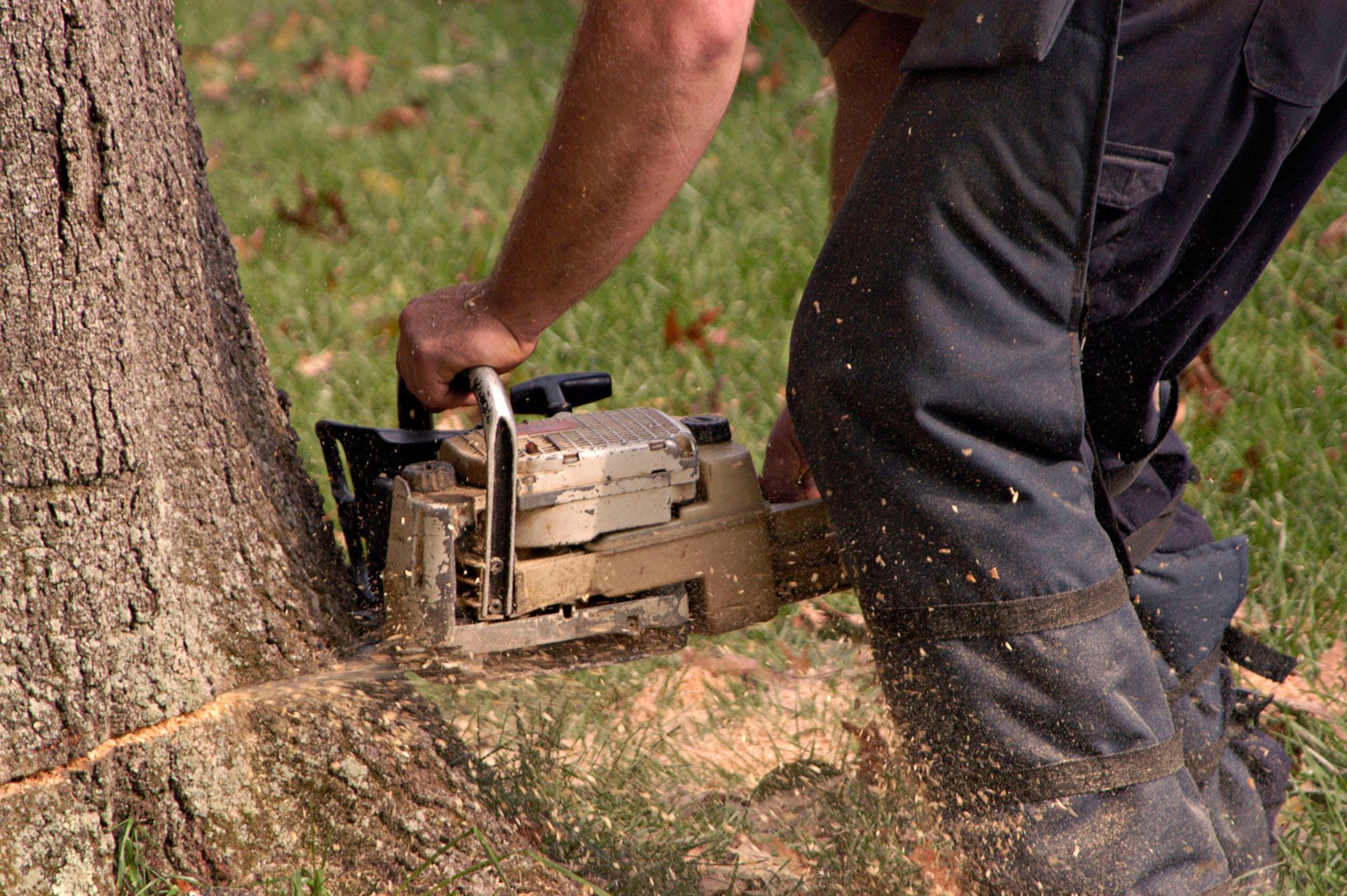
Equipment itself can present dangers. Chainsaws can cause severe injuries when used improperly, while ropes, rigging equipment, and other tools require knowledge and experience to use safely. Larger trees may require controlled dismantling rather than simply cutting through the trunk at ground level.
What to Expect From a Tree Removal Service
A professional service generally begins by evaluating the tree and its surroundings. This assessment can include examining the trunk, branches, root area, lean, overall health, and proximity to structures or utility lines. The goal is to understand the hazards involved and determine the safest approach.
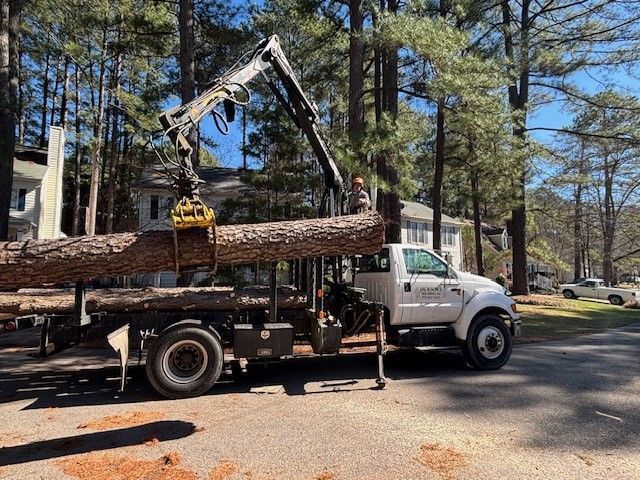
Once the work plan has been established, crews can establish a controlled work area. They may use ropes and rigging systems to lower branches instead of allowing them to fall freely. For trees located in particularly confined spaces, specialized equipment can help crews dismantle the tree in sections. This approach can make tree removal possible even when there is very little room for the tree to fall naturally.
After the main tree has been removed, the remaining trunk can be cut into manageable sections. Depending on the property owner's needs, the resulting wood and branches may be hauled away, chipped, or otherwise processed. Stump removal or grinding may also be available as a separate service.
Cost Factors in Tree Removal Services
The cost of tree removal can vary substantially from one project to another. Tree size is one of the most important factors because larger trees generally require more labor, equipment, and time. Height, trunk diameter, and the number of major branches can all influence the complexity of the job.
Location is another major consideration. A tree standing in an open portion of a property may be relatively straightforward to remove, while one surrounded by buildings, landscaping, fences, or utility infrastructure may require specialized rigging or equipment. Difficult access can also increase labor requirements.
Tree condition can affect pricing as well. A healthy tree may be easier to climb and dismantle predictably than one that is severely decayed or damaged. Dead trees can be particularly challenging because weakened branches or trunks may break without warning.
Additional services can also affect the overall project cost. Stump grinding, debris removal, log processing, and emergency response may be priced separately depending on the provider and scope of work. Property owners can make budgeting easier by requesting a detailed estimate that explains what is included.
Knowing when to call a professional is an important part of responsible tree care. Disease, extensive decay, storm damage, structural defects, dead branches, and conflicts with nearby structures can all indicate that a tree deserves closer attention. While not every damaged or declining tree requires removal, serious warning signs should not be ignored.
Tree removal can involve substantial heights, heavy materials, specialized equipment, and unpredictable forces, making DIY work particularly dangerous. Professional crews can evaluate the tree, identify potential hazards, develop a controlled work plan, and use appropriate equipment to complete the job safely.
For property owners, the best approach is to act before a potentially hazardous tree becomes an emergency. When significant damage or deterioration is visible, having the tree professionally evaluated can provide a clearer understanding of the available options. In situations where removal is ultimately necessary, early planning can make the process safer, more predictable, and easier to manage. If you need a tree removed, contact Jackson's Tree Service, LLC today!