November 16, 2026
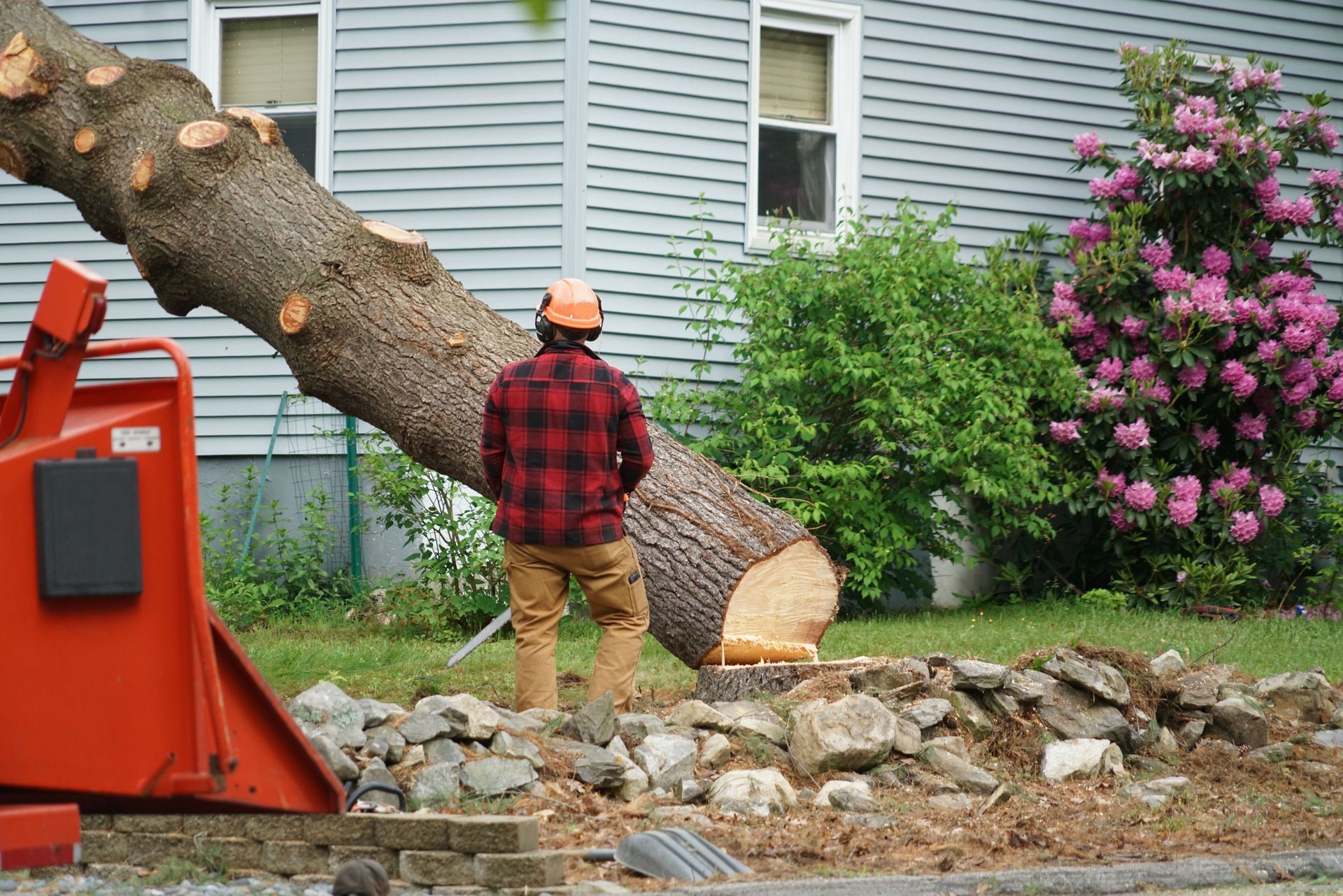
The increasing intensity and frequency of storms, fueled by climate change, necessitate proactive measures to mitigate potential damages to homes. An often-overlooked yet crucial component of home safety is the strategic management of trees around residential areas. Tree removal services play an indispensable role in safeguarding properties by addressing the unique risks posed by trees during storms. With the unpredictability of weather patterns, ensuring that trees do not become liabilities is more important than ever. This article explores how professional tree services can significantly reduce storm-related risks, thereby protecting your home.
Understanding the Risks of Untended Trees
The Dangers of Overgrown Branches
Overgrown branches can be a serious threat to property during storms as they are prone to breaking under strong winds. When a storm strikes, these branches can snap off and become airborne, potentially causing significant damage to roofs, windows, and even cars. This damage not only leads to costly repairs but can also compromise the structural integrity of the home. According to the Insurance Information Institute, wind and hail accounted for 42.5% of homeowners insurance property losses in 2023, underscoring the importance of mitigating such risks. Regular trimming of branches can prevent these liabilities, ensuring that storms do not transform them into damaging projectiles.
Root Problems Leading to Tree Failure
Trees with compromised root systems are at a higher risk of toppling over during severe weather events. Factors such as soil erosion, construction activities, and poor watering practices can weaken roots, making trees unstable. Once their anchorage is compromised, trees can fall, collapsing onto homes or power lines, resulting in power outages, property damage, or even injuries. Professionals can assess root health to prevent such catastrophic failures. By addressing underlying root issues before storms occur, homeowners can avoid significant destruction and enhance safety for themselves and their neighbors.
Dead or Damaged Trees as a Hazard
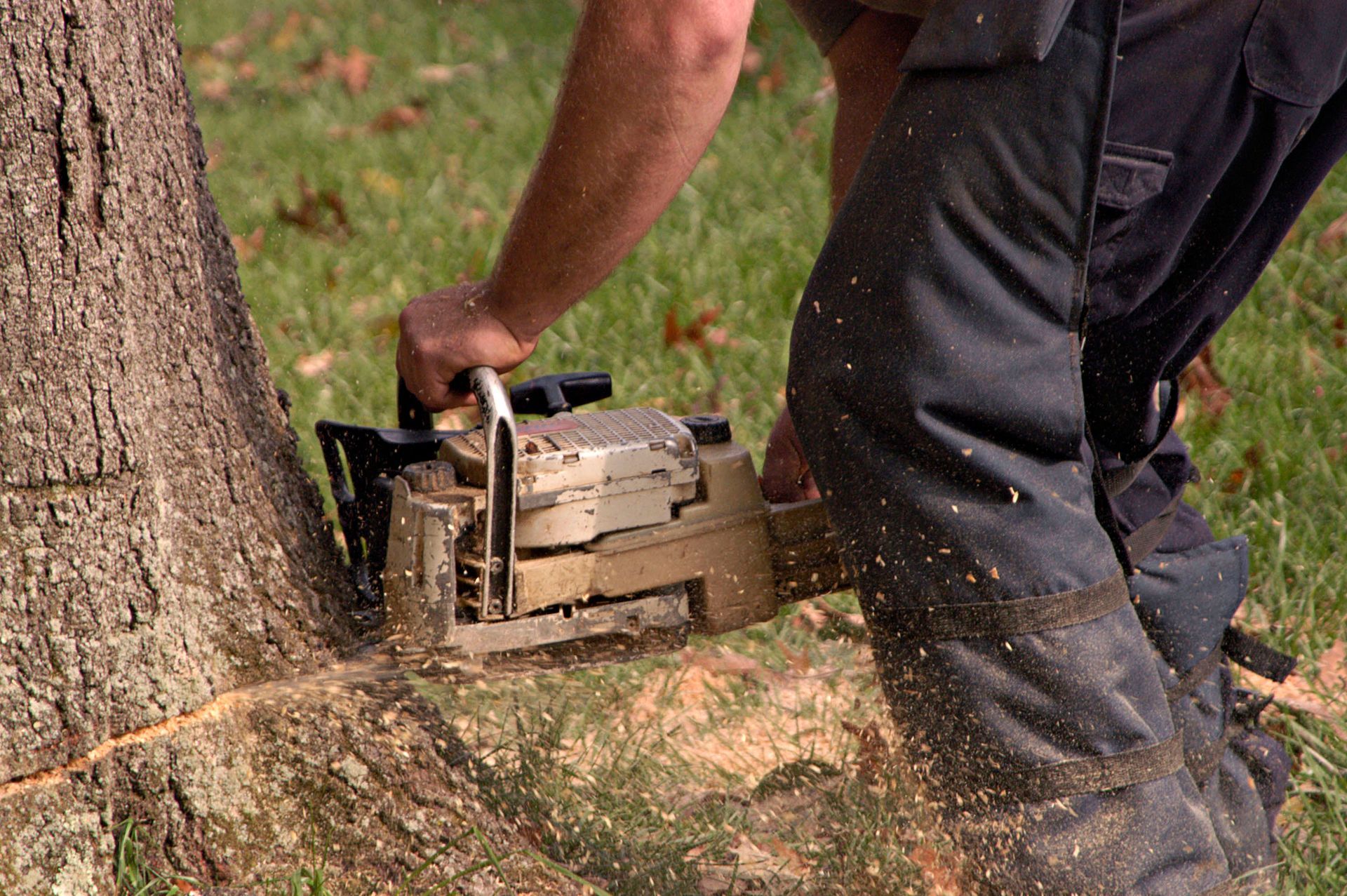
Dead or damaged trees are particularly hazardous during storms, as they lack the strength and resilience of healthy trees. Factors such as disease, drought, or previous storm damage can cause tree death or weaken them significantly. High winds and heavy rains put additional stress on these trees, increasing the likelihood of them uprooting or breaking apart. Therefore, identifying and removing these trees before the storm season is an integral step in minimizing risk. It's the responsibility of homeowners via professional services to evaluate and address these hazards proactively.
Pests and Infestation Increasing Tree Vulnerabilities
Trees suffering from pest infestations are more fragile and, as a result, are more likely to fail in storm conditions. Pests can burrow into the wood and damage the internal structure of a tree, inadvertently weakening it. Diseases spread by these pests further jeopardize tree health, as infections can spread rapidly throughout the tree. By managing pests effectively, property owners can preserve tree health, increasing storm resilience. Professional tree services can diagnose and treat pest problems, ensuring trees remain robust and sturdy even during adverse weather conditions.
Impact of Proximity to Structures
The proximity of trees to buildings can significantly increase the risk of property damage during a storm. Trees planted too close to structures can interact destructively with buildings, especially if they are uprooted or limbs break off during extreme weather. Roof damage is particularly common, as heavy branches can crash through roofing materials, leading to leaks or worse. Proper planning and strategic removal of trees near structures can greatly mitigate these risks. Professional tree services play a pivotal role in assessing which trees pose such threats and executing necessary actions.
The Importance of Professional Tree Assessments
Regular Inspections and Their Benefits
Routine tree health assessments by professionals are crucial in identifying potential risks before they become critical issues. Regular inspections ensure that trees are not only healthy but are not a danger to property or people. During these inspections, arborists can identify warning signs, such as decay or structural weaknesses, that may not be visible to untrained eyes. Early detection of these issues can save homeowners from extensive damage and the associated costs, serving as both a preventive and cost-effective approach. Proactive tree care through professional assessments becomes a foundation for home safety and storm damage prevention.
Identifying Hazardous Trees
Experts have the knowledge and tools to identify trees that are at risk of failing under storm conditions. Not all hazards are obvious; subtle signs like small cracks, unusual lean, or abnormal leaf discoloration can indicate deep-seated problems. Once identified, measures can be taken to reinforce, treat, or remove these hazardous trees to ensure the safety of a property. By relying on a professional's expertise, homeowners can prioritize actions based on real risk assessments rather than assumptions. This strategic approach can prevent incidents and preserve valuable resources for future use.
Assessing Tree and Soil Health
The health of both trees and soil significantly affects how well they can withstand storm conditions. Professionals assess various factors including soil density, moisture levels, and the overall nutrient availability that determines the stability and health of trees. Concerns in this area may require targeted interventions like soil aeration or fertilization to bolster stability and support tree health. Assessments not only help prevent tree failure but also encourage healthy growth practices. Proper evaluation ensures trees receive the necessary resources, making them more resilient against adverse weather events.
Advising on Preventative Measures
Upon identifying potential tree hazards, professionals provide actionable recommendations to mitigate risks. These recommendations may include pruning, bracing, chemical treatments, or the removal of certain trees. By acting on expert advice, homeowners can significantly reduce the likelihood of tree-related accidents and damages occurring during storms. Preventative measures taken under the guidance of arborists are aimed at maximizing tree health and minimizing liabilities. This proactive approach ensures that trees contribute positively to the property environment rather than posing a threat.
Creating a Tree Management Plan
Developing a long-term tree management plan involves considering the health, placement, and potential risks of each tree on a property. A comprehensive plan encompasses routine maintenance activities, potential treatments, and emergency response strategies. As part of this plan, arborists can implement best practices when it comes to tree care, reducing the impact of storms on both natural and man-made structures. The idea is to create an ecosystem where trees can thrive safely and complement their surroundings. Homeowners who invest in a well-crafted tree management plan can enjoy beautiful, healthy trees that enhance property value while minimizing their risks.
Benefits of Preemptive Tree Pruning
Reducing Branch Overload
Pruning helps in reducing branch overload, which is crucial to decreasing the likelihood of breakage during significant weather events. Excessive foliage creates wind resistance which can stress branches and cause them to snap in high winds. By thinning branches selectively, arborists can maintain the overall structure of the tree while reducing the chances of damage occurring during a storm. This process not only preserves the aesthetic appeal of trees but also significantly reduces the weight stress on limbs. This ensures trees can better withstand extreme weather conditions, keeping properties safe and sound.
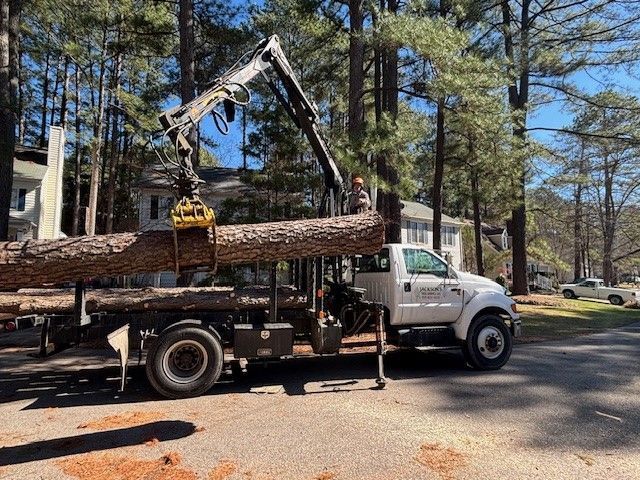
Through careful pruning, the overall structure of a tree can be enhanced, making it stronger and more resilient. By removing competing limbs and trimming back problematic branches, trees can focus their resources more effectively on growth and development. This targeted growth results in stronger limbs that are less liable to fall or suffer breakage during storms. While enhancing the internal integrity of the tree, this pruning method also helps in maintaining its natural silhouette. Consequently, pruned trees remain not only structurally sound but also pleasing to the eye, contributing positively to the landscape while minimizing risks to the home during inclement weather. Be sure to reach out to Jackson's Tree Service, LLC today to learn more about our professional tree removal!